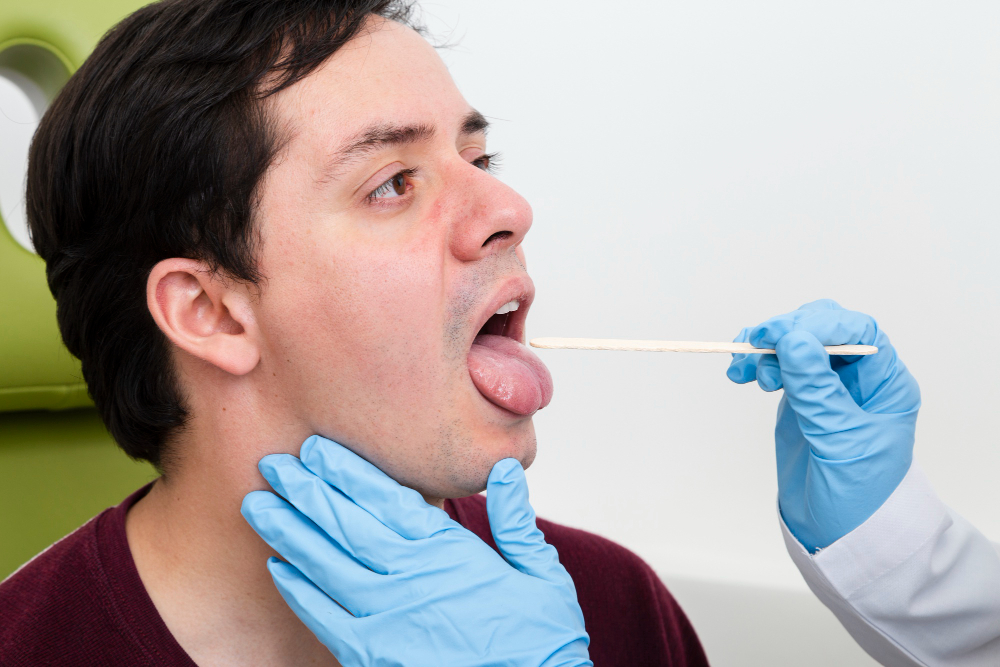
Salivary gland cancer is a rare type of oral cancer that affects the glands producing saliva in your mouth. Although it is not as common as other head and neck cancers, it is important to know its symptoms and risk factors. Early detection can help improve treatment outcomes. In this blog, we will explain what salivary gland cancer is, its symptoms, causes, diagnosis, and treatment options. We will also share prevention tips and answer common questions.
What is Salivary Gland Cancer?
Salivary gland cancer is a disease where abnormal cells grow in the salivary glands. These glands make saliva, which helps you chew, swallow, and digest food. There are three main pairs of salivary glands: parotid, submandibular, and sublingual. Most salivary gland tumors start in the parotid gland, which is located in front of your ears. Some tumors are benign, meaning they are not cancerous. However, others can be malignant, which means they are cancerous and can spread to other parts of the body. According to the World Health Organization, salivary gland cancer is rare, making up less than 5% of all head and neck cancers.
Symptoms of Salivary Gland Cancer
Recognizing the symptoms early can help with prompt diagnosis. However, some signs may be similar to other mouth problems. Common symptoms include:
Sometimes, these symptoms can be caused by other conditions. But if they last more than two weeks, you should see a doctor.
Causes and Risk Factors
Doctors do not know the exact cause of salivary gland cancer. However, several risk factors may increase your chances of developing it. These include:
Even though these factors can raise your risk, many people with salivary gland cancer have no known risk factors.
How Salivary Gland Cancer is Diagnosed
Early diagnosis is key to better outcomes. If your doctor suspects a salivary gland tumor, they may use several tests, such as:
Sometimes, more tests are needed to see if the cancer has spread to other parts of the body.
Treatment Options
Treatment for salivary gland cancer depends on the type, size, and stage of the tumor. Your overall health also plays a role. Common treatment options include:
Your doctor will discuss the best plan for you. Sometimes, a team of specialists in head and neck oncology will help guide your care.
Prevention and Lifestyle Tips
While you cannot prevent all cases of salivary gland cancer, you can lower your risk by following healthy habits. Here are some tips:
Although these steps cannot guarantee prevention, they support your overall health.
When to See a Doctor
If you notice a lump, swelling, or pain in your mouth, jaw, or neck that does not go away, you should see a healthcare provider. Also, if you have trouble swallowing, numbness, or weakness in your face, do not wait. Early evaluation can help find problems before they get worse. Remember, many mouth cancer symptoms can be caused by other conditions, but it is always better to check.
Frequently Asked Questions
Conclusion and Call-to-Action
In summary, salivary gland cancer is a rare but serious condition. Knowing the symptoms and risk factors can help you seek care early. If you notice any unusual changes in your mouth, face, or neck, do not ignore them.
At Dr. Qazi Ashraf’s clinic, we focus on early detection and precise treatment of salivary gland conditions. Our approach combines advanced diagnostics with personalised care to ensure timely intervention and the best possible outcomes. If you experience persistent swelling, pain, or numbness around your jaw or face, consult Dr. Qazi Ashraf for expert evaluation and guidance. Early action can make a big difference in your health and recovery.