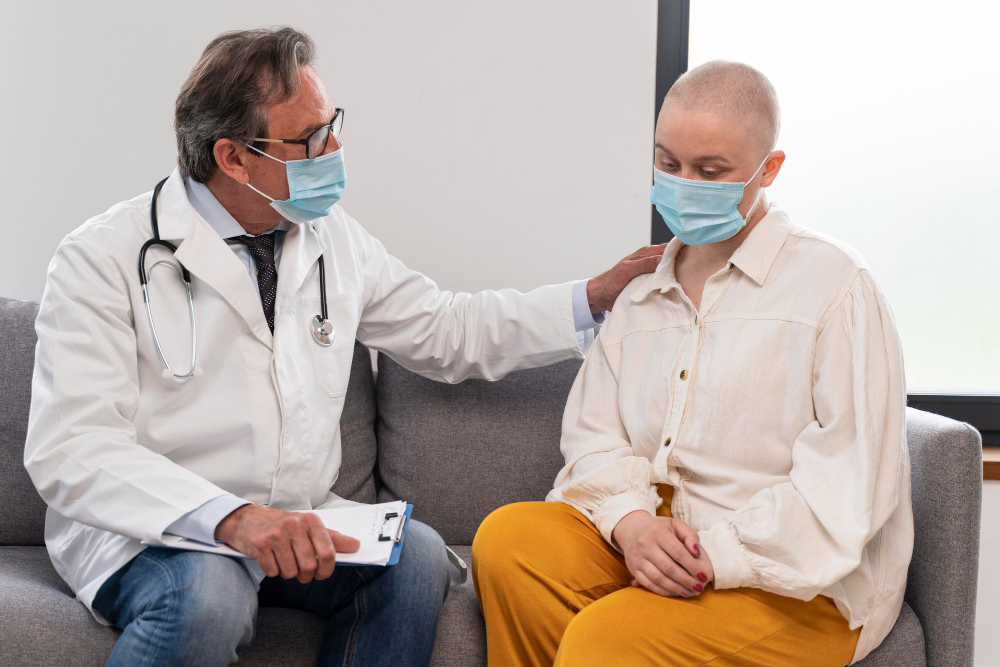
Overview of Upper GI Cancer and Its Treatments
Upper GI cancer affects parts of the digestive system like the esophagus, stomach, or small intestine. Many people face this diagnosis each year. Treatments for upper gastrointestinal cancer often include surgery, chemotherapy, radiation, or targeted therapy. Because these treatments are strong, they can cause side effects. Coping with the side effects of upper GI cancer treatment is important for your comfort and recovery. With the right support, you can manage these challenges and improve your quality of life.
Common Side Effects of Upper GI Cancer Treatment
Every treatment can cause different side effects. However, some are more common in upper GI cancer care. Knowing what to expect can help you prepare. Common side effects include:
Because everyone is different, you may not have all these symptoms. But it helps to know what might happen during treatment.
Practical Strategies for Managing Side Effects
Managing chemotherapy side effects and other treatment issues can feel tough. Yet, simple steps can make a big difference. Here are some practical strategies:
Because side effects can change over time, keep a diary of your symptoms. This helps your care team adjust your treatment if needed.
Emotional and Psychological Support
Dealing with cancer can be stressful. Not only does your body feel different, but your emotions may change too. It is normal to feel sad, anxious, or even angry. However, support for cancer patients is available. You can:
Because emotional health matters as much as physical health, do not hesitate to seek help. Many hospitals offer free counseling or support services.
Nutrition and Lifestyle Tips
Eating well helps your body heal. Even if you have little appetite, try to eat small meals often. Here are some tips:
Because your needs may change, talk to a dietitian who understands upper gastrointestinal cancer care. They can help you find foods that work for you.
When to Seek Medical Help
Some side effects need quick attention. If you notice any of these signs, call your doctor right away:
Because early treatment can prevent problems, do not wait if you feel something is wrong. Your care team is there to help you stay safe.
Prevention and Long-Term Wellbeing
After treatment, it’s natural to worry about your health, but there are steps you can take to stay well and support your recovery. Here are some ideas:
Because long-term well-being is achievable, focus on small, healthy changes every day. Over time, these steps can help you feel stronger, more confident, and improve your overall health.
For personalised guidance on coping with upper GI cancer treatment side effects, consult Dr. Qazi Ashraf.