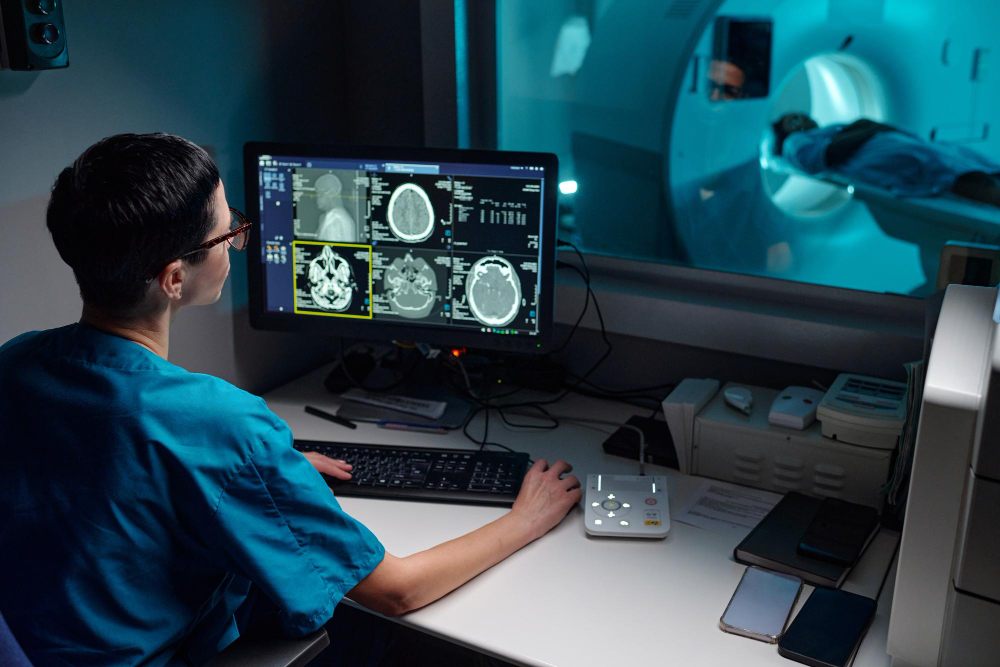
What is Radiation Therapy?
Radiation therapy is a common cancer treatment. It uses high-energy rays to target and destroy cancer cells. Doctors often use it to shrink tumors or stop cancer from spreading. Sometimes, radiation therapy is used alone. Other times, it works with surgery or chemotherapy. Many people receive this treatment in hospitals or special clinics.
How Does Radiation Therapy Work?
Radiation therapy works by damaging the DNA inside cancer cells. Because of this, the cells cannot grow or divide. Over time, the body removes these damaged cells. Healthy cells can also be affected, but they usually recover better than cancer cells. For this reason, doctors plan each treatment carefully to protect healthy tissue.
Types of Radiation Therapy
There are two main types of radiation therapy. Each type is chosen based on the cancer’s location and size.
Sometimes, doctors use both types together for better results.
What to Expect During Treatment
Before starting, you will meet with a radiation oncologist. This doctor will explain the process and answer your questions. Next, you may have a planning session called simulation. During this, the team will mark the exact area to treat. They may use special masks or molds to help you stay still.
During each session, you will lie on a table. The machine moves around you but does not touch you. Treatments are painless and last only a few minutes. However, you may spend more time getting ready. Most people receive treatment five days a week for several weeks. After each session, you can go home and continue your normal activities.
Common Side Effects and How to Manage Them
Although radiation therapy targets cancer, it can also affect healthy cells. Because of this, some side effects may occur. Most side effects depend on the area being treated. Common side effects include:
However, most side effects go away after treatment ends. If you notice severe symptoms, tell your doctor right away. They can suggest ways to help you feel better.
Tips for Patients Undergoing Radiation Therapy
Going through radiation therapy can be challenging. Still, there are ways to make it easier:
Additionally, many hospitals offer support groups or counseling for patients and families.
Frequently Asked Questions
Conclusion
In summary, radiation therapy is a safe and effective way to treat many types of cancer. While side effects can happen, most are mild and go away after treatment. If you have questions or concerns, always talk to your doctor. Consult a oncology specialist Dr Qazi Ashraf to discuss your personalized treatment options.