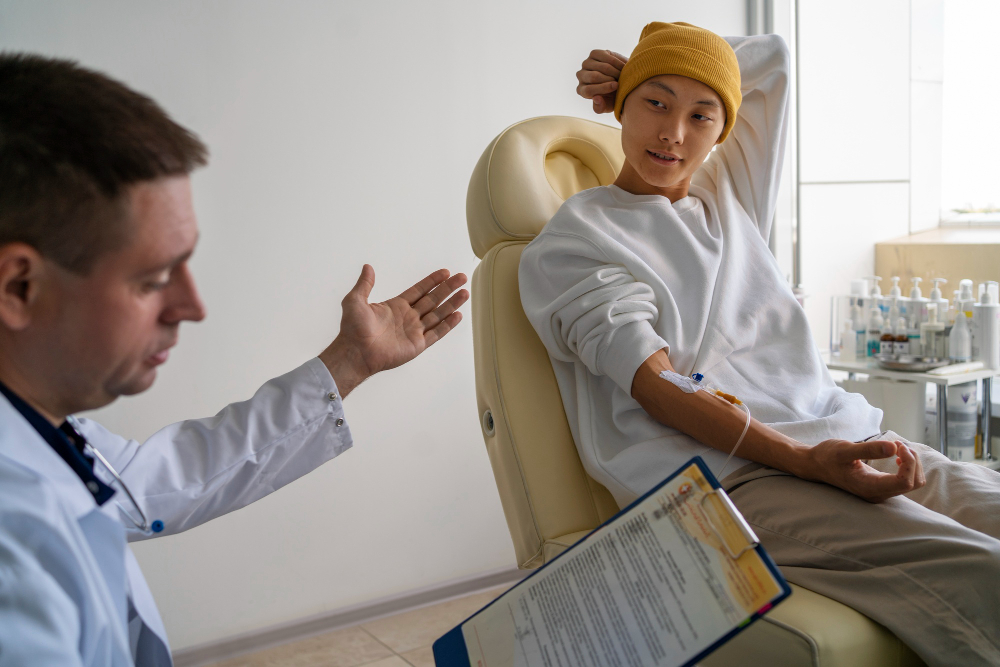
Overview of Head and Neck Cancer Treatment Recovery
Head and neck cancer treatment recovery can be a challenging journey. Many patients and caregivers look for helpful advice to support healing. The recovery process often includes managing side effects and building strength. Early support and the right care can make a big difference. This guide shares head and neck cancer recovery tips to help you or your loved one heal well. According to the World Health Organization (WHO), proper post-treatment care for head and neck cancer improves quality of life and reduces complications.
Common Symptoms and Challenges During Recovery
After treatment, patients may face several symptoms and challenges. These can vary based on the type of treatment received. However, some common issues include:
Because these symptoms can affect daily life, it is important to address them early. With the right support, many people can manage these challenges and recover well.
Essential Tips for Successful Recovery
Successful recovery after head and neck cancer treatment requires a team approach. Here are some practical tips to help you heal and feel better each day:
Nutrition and Hydration
Oral Care
Speech and Swallowing Exercises
Pain Management
Emotional Well-Being
When to Seek Medical Help
Sometimes, new or severe symptoms may appear during recovery. If you notice any of the following, contact your doctor right away:
Early medical attention can prevent serious problems and support a smoother recovery.
Prevention of Complications
Preventing complications is key to successful recovery after head and neck cancer treatment. Here are some steps you can take:
With these steps, you can reduce the risk of setbacks and support your healing process.
Lifestyle Guidance for Long-Term Health
After recovery, healthy habits can help you feel your best. For long-term health, consider these tips:
In some regions, local foods and climate may affect your recovery. For example, in hot areas, drink extra water to prevent dehydration. Always ask your care team for advice that fits your needs and location.
Summary and Next Steps
In summary, head and neck cancer recovery takes time and dedicated care. By following the right recovery tips, you can support healing and improve your quality of life. Remember, each person’s journey is unique, so be patient with yourself during this process.
For the best results, consult Dr. Qazi Ashraf, who will provide personalised guidance and support tailored to your recovery needs.
For personalised head and neck cancer recovery advice, consult Dr. Qazi Ashraf.