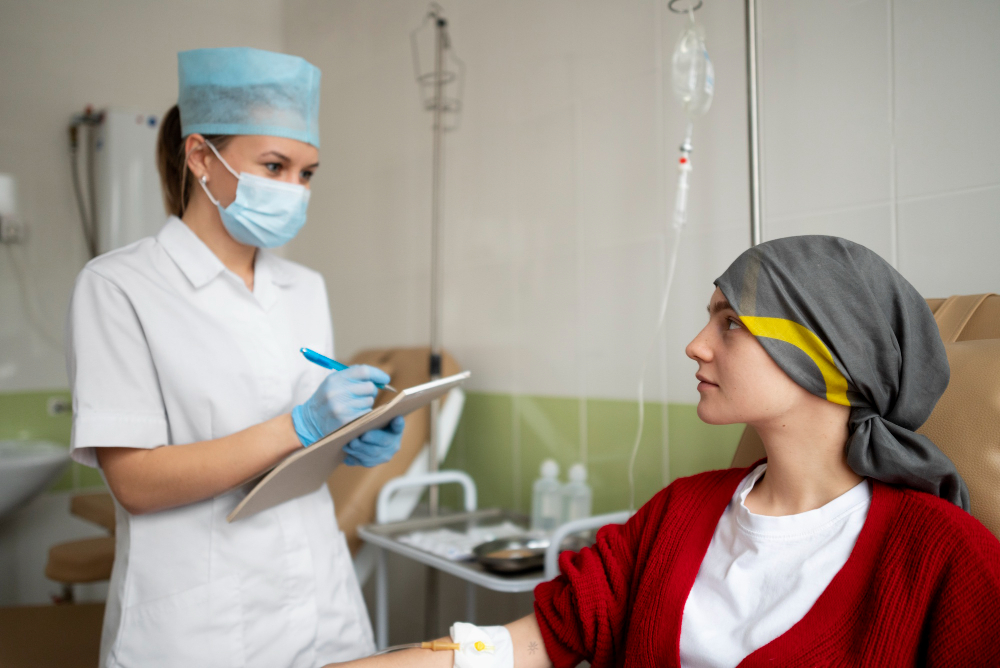
Recovering after cancer surgery is a big step. Planning your recovery journey after cancer surgery helps you heal better and feel more in control. With the right steps, you can manage symptoms, avoid problems, and get back to daily life. This guide shares simple cancer surgery recovery tips and explains what to expect. Let’s explore how you can plan for a smoother recovery after your operation.
Understanding Your Recovery Timeline
First, it’s important to know that everyone heals at their own pace. Your recovery timeline depends on the type of cancer surgery, your age, and your overall health. For example, some people feel better in a few weeks, while others may need more time. However, your doctor will give you a general idea of what to expect.
Above all, listen to your body and talk to your care team if you have concerns.
Essential Steps for Post-Surgery Care
After cancer surgery, proper care is key to healing well. Here are some important steps to follow:
In addition, ask your nurse or doctor for clear instructions before you leave the hospital. This helps you feel confident about your care at home.
Managing Common Symptoms and Side Effects
After surgery, you may notice some symptoms or side effects. These can include pain, swelling, tiredness, or changes in appetite. But most symptoms improve with time and care.
Sometimes, you may feel sad or worried. This is normal. If symptoms get worse or new problems appear, contact your healthcare provider right away.
Nutrition and Physical Activity Tips
Good nutrition helps your body heal faster. Eating the right foods gives you energy and supports your immune system. Here are some easy tips:
Moreover, gentle physical activity can boost your mood and strength. Start with short walks and increase as you feel better. Always check with your doctor before starting any exercise after cancer surgery.
Emotional Well-being and Support Systems
Recovering after cancer surgery is not just about the body. Your feelings matter too. It is common to feel anxious, sad, or even angry. But you are not alone. Many people find comfort in talking to family, friends, or support groups.
Remember, emotional support is a key part of your recovery journey after cancer surgery.
When to Seek Medical Advice
Sometimes, problems can happen after surgery. Knowing when to call your doctor is very important. Seek medical advice if you notice:
Early action can prevent serious issues. Do not wait if you feel something is wrong.
Prevention of Complications
Preventing problems is a big part of post-cancer surgery care. Here are some ways to lower your risk:
Additionally, ask questions if you are unsure about any part of your care. This helps you stay safe and recover well.
In summary, planning your recovery journey after cancer surgery is essential for healing better and feeling stronger. By following your care team’s advice and taking proactive steps, you can support your body and mind through the recovery process.
For the best results and a smooth recovery, always consult Dr. Qazi Ashraf for personalised guidance tailored to your specific needs.
For personalised recovery advice after cancer surgery, consult Dr. Qazi Ashraf.