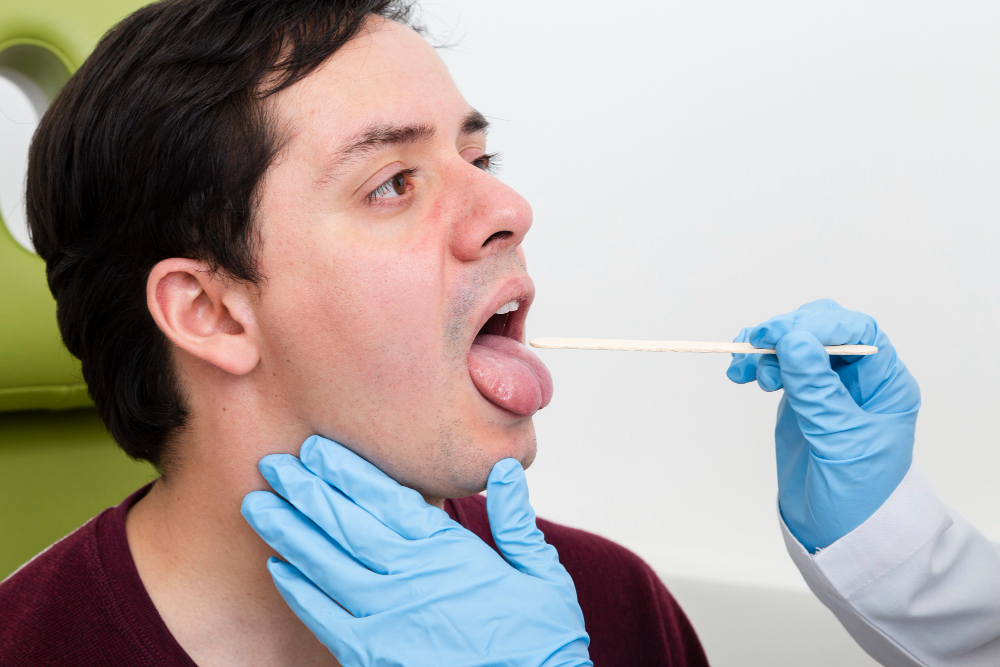
Introduction to Salivary Gland Tumours
Salivary gland tumours are growths that form in the glands that make saliva. These glands are found in your mouth and neck. While most tumours are not cancer, some can be. Understanding the causes of salivary gland tumours helps you know your risks. Early knowledge can lead to better outcomes.
Why Understanding Causes Matters
Knowing what causes salivary gland tumours can help you make healthy choices. For example, you may avoid certain risks if you know about them. Also, doctors use this information to guide care and prevention. Because some risk factors can be changed, learning about them is important for everyone.
Genetic Factors
Some people may have a higher risk because of their genes. For instance, a family history of salivary gland tumours can increase your chances. Rare inherited conditions, such as multiple endocrine neoplasia, may also play a role. However, most cases are not linked to family history.
Environmental Exposures
Exposure to certain things in your environment can raise your risk. For example, radiation treatment to the head or neck, even many years ago, is a known cause. Workplace chemicals, such as those used in rubber or plumbing industries, may also increase risk. In some regions, higher rates are linked to local environmental factors.
Lifestyle Factors
Your daily habits can affect your risk of salivary gland tumours. Smoking tobacco is a key risk factor. Drinking alcohol may also play a role, especially when combined with smoking. Although these habits are more strongly linked to other head and neck cancers, they may still increase your risk here.
Viral Infections
Certain viruses can lead to changes in the salivary glands. For example, the Epstein-Barr virus has been linked to some types of salivary gland tumours. Human immunodeficiency virus (HIV) may also increase risk. While these infections are not common causes, they are important to know about.
Other Risk Factors Supported by Research
Besides the main causes, other factors may play a role. For instance, older age increases your risk, as these tumours are more common in people over 50. Men may have a slightly higher risk than women. Some studies suggest that a weak immune system can also raise your chances.
Summary: Key Takeaways
To sum up, the causes of salivary gland tumours include genetic factors, environmental exposures, lifestyle choices, and certain viral infections. Age and immune health also matter. While you cannot change some risks, you can make choices to lower others. For example, avoiding tobacco and limiting alcohol can help.
When to Seek Help
If you have concerns about salivary gland tumours or risk factors, talk to Dr. Qazi Ashraf, for a specialist in the field. Early advice can make a big difference in diagnosing and managing potential issues. Stay informed and take steps to protect your health.